

Premium Architectural Fountains
Bring Paradise Home
Handcrafted fountains and water sculptures that transform any space into a sanctuary of tranquility and refinement.
Premium Architectural Fountains
Bring Paradise Home
Handcrafted fountains and water sculptures that transform any space into a sanctuary of tranquility and refinement.

There's something about having a fountain indoors that changes the feel of a room. It might be the gentle sound of water running over stone or simply having something more interesting to look at than another piece of furniture. And you don't necessarily need a large space to enjoy one.
Our selection of indoor fountains includes tabletop fountains for desks and smaller rooms, floor fountains for entryways and living areas, and wall fountains for homes, offices, spas, and lobbies. You'll find designs made from slate, copper, stainless steel, glass, and other materials. We also offer custom fountains for spaces that call for something different.
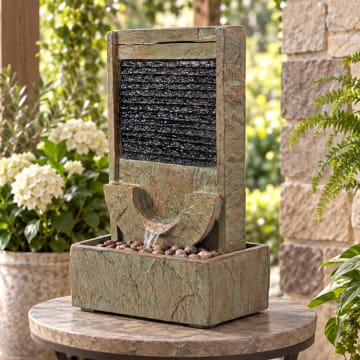
$125.00
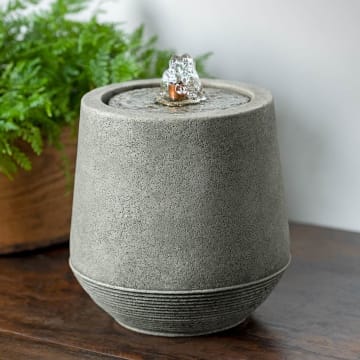
From $249.99
Arrives in 2–4 wks
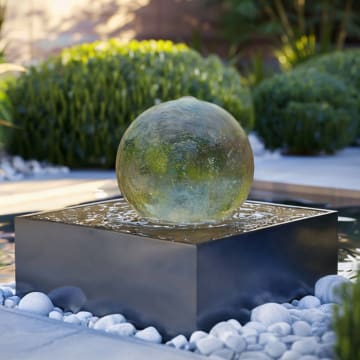
From $7,995.00
Arrives in 6–8 wks
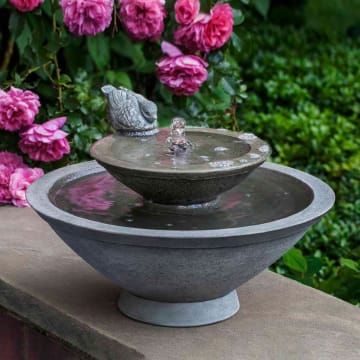
From $444.99
Arrives in 2–4 wks
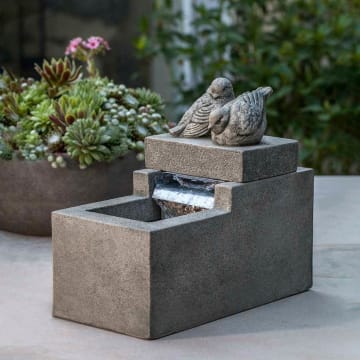
From $299.99
Arrives in 2–4 wks
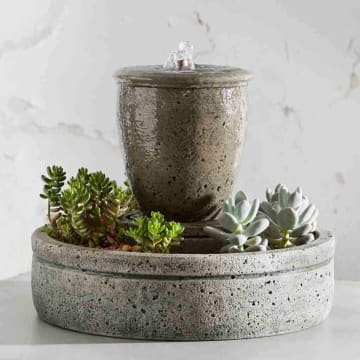
From $489.99
Arrives in 2–4 wks
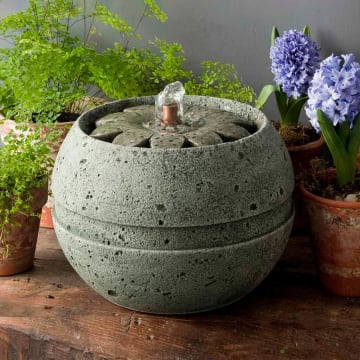
From $269.99
Arrives in 2–4 wks
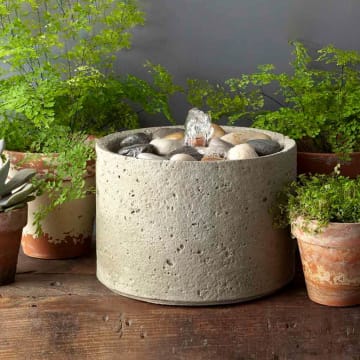
From $269.99
Arrives in 2–4 wks
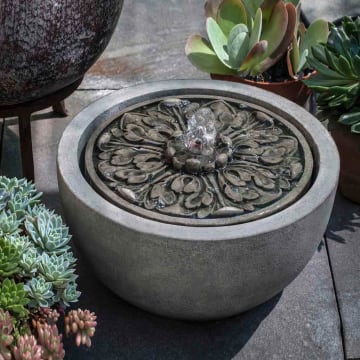
From $274.99
Arrives in 2–4 wks
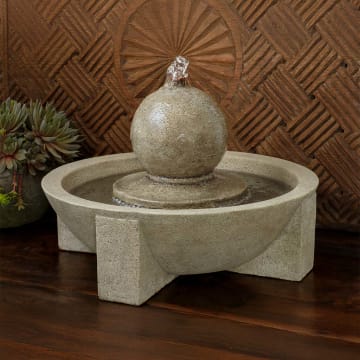
From $364.99
Arrives in 2–4 wks
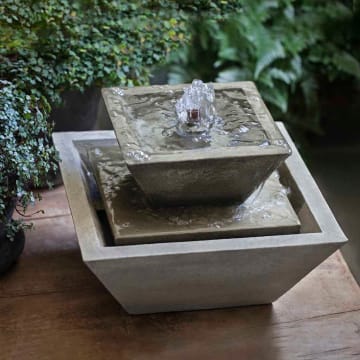
From $299.99
Arrives in 2–4 wks
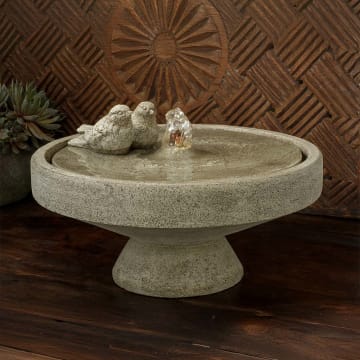
From $299.99
Arrives in 2–4 wks
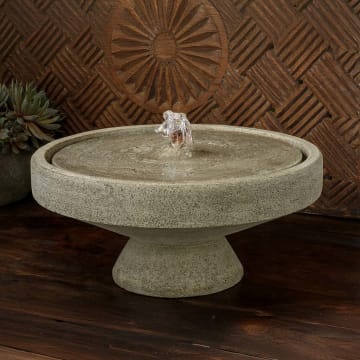
From $274.99
Arrives in 2–4 wks
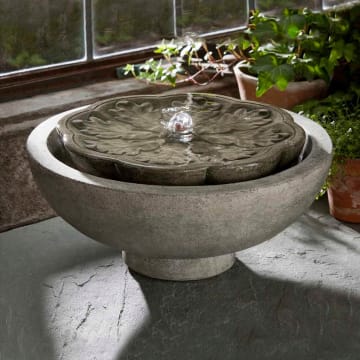
From $364.99
Arrives in 2–4 wks
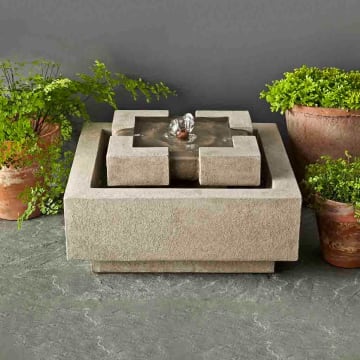
From $279.99
Arrives in 2–4 wks
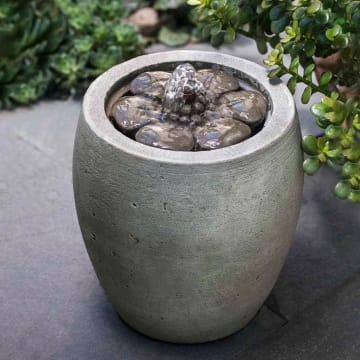
From $289.99
Arrives in 2–4 wks
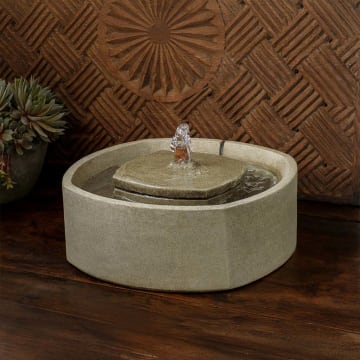
From $279.99
Arrives in 2–4 wks
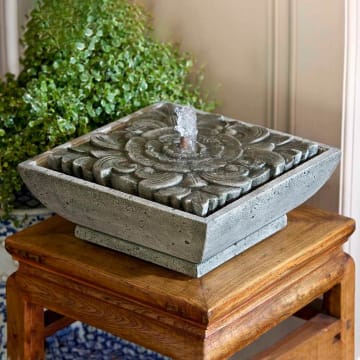
From $279.99
Arrives in 2–4 wks
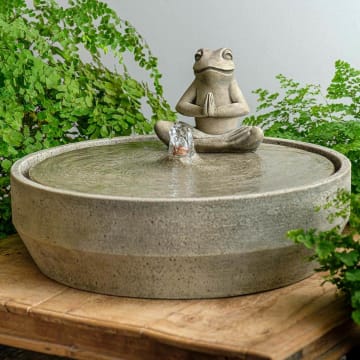
$424.99
Arrives in 2–4 wks
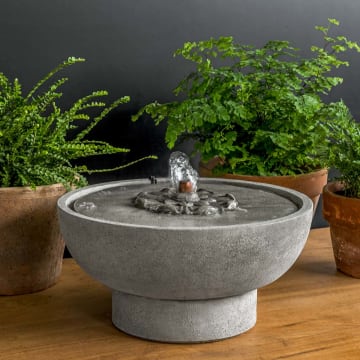
$269.99
Arrives in 2–4 wks
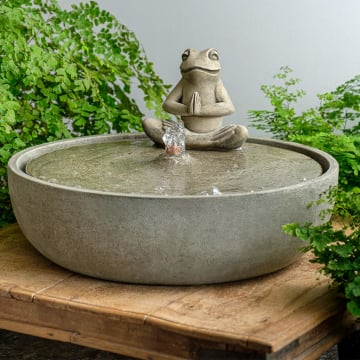
$349.99
Arrives in 2–4 wks
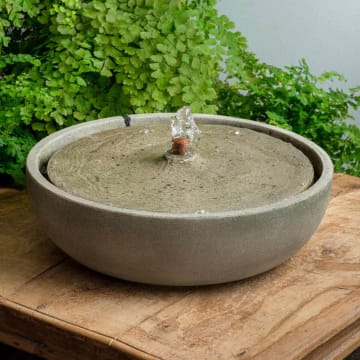
$274.99
Arrives in 2–4 wks
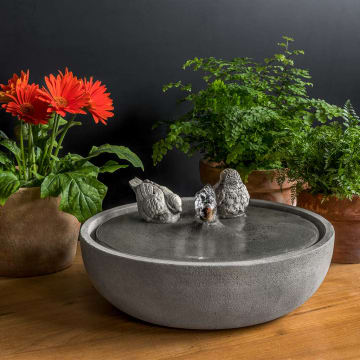
$324.99
Arrives in 2–4 wks
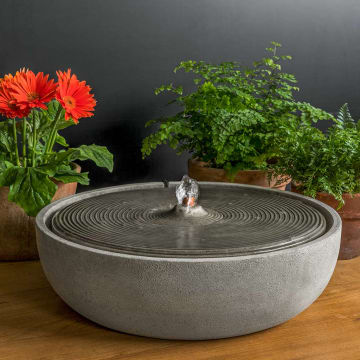
$389.99
Arrives in 2–4 wks
Not every indoor water fountain works in every room. A small fountain on a side table is fairly simple to accommodate. A six-foot water wall in a reception area takes more planning. The main differences come down to size, water flow, and how the fountain is supported.
These are usually the easiest fountains to add to a home or office. Most have a small reservoir and a pump that continuously circulates the water. They work well on desks, countertops, side tables, and other sturdy surfaces.
Pay attention to the measurements before ordering. A fountain that looks small in a photograph might take up most of your side table. You'll also want enough room to refill it without moving everything around.
Floor fountains are a popular choice for entryways, living rooms, waiting areas, and reception spaces. Some are fairly compact, while others stand several feet tall.
One thing people sometimes overlook is the weight. A fountain made from stone or metal can be heavy even before water is added. Check the total operating weight and make sure the floor is suitable. Also consider where the electrical cord will run and whether you'll have room to access the pump.
Wall fountains can be a good solution when you want a larger water feature without using much floor space. Depending on the design, water may run down natural slate, copper, stainless steel, or glass before collecting in the reservoir below.
Not all wall fountains mount the same way. Some require substantial wall support, while others have their own freestanding structures. Look at the installation specifications carefully, especially with larger models.
A water wall is typically a taller or wider vertical fountain, often used where there's room for people to appreciate it from a distance. You'll see them in office lobbies, spas, restaurants, and larger homes.
Some water walls feature natural stone or textured metal, while others use glass panels and decorative lighting. They can be standard designs or made to fit a particular space. For larger projects, electrical access, floor support, and water containment should all be considered early.
Start by measuring the area where you want the fountain. That sounds obvious, but it's easy to focus on the fountain's height and forget about the width of the base or the room needed around it.
For a desk or small side table, look for a model with a compact reservoir and enough space around it for refilling and cleaning. A fountain shouldn't sit right on the edge of a surface where it could be bumped.
In a living room, a floor fountain often works well near an open wall or in a corner that isn't part of a main walkway. For an entryway, think about how people move through the space. You don't want guests walking around a wide basin every time they come through the door.
Larger spaces allow for more options. A tall water wall can look appropriate in a lobby with high ceilings but feel out of place in a narrow hallway.
Weight is another consideration. Water weighs approximately 8.3 pounds per gallon, and that's in addition to the fountain itself. Stone, metal, and thick glass can add considerable weight.
For larger wall-mounted fountains, the supporting structure needs to be capable of carrying the full operating weight. If you're unsure, have a qualified local contractor evaluate the location before purchasing.
There's no single material that's best for every indoor fountain. Much depends on the style of the room, the look you want, and how much cleaning you're prepared to do.
Natural slate is frequently used in indoor water walls. Its uneven texture gives the water different paths to follow, so the surface doesn't look completely uniform. Slate is available in various colors, although dark finishes may show white mineral deposits more readily if you're using hard water.
For a more contemporary look, stainless steel is worth considering. It pairs well with modern furniture, glass, and architectural finishes. Brushed stainless steel can be easier to keep looking clean than a mirror-polished surface, but you'll still need to wipe away occasional water spots and mineral deposits.
Copper has a warmer appearance than stainless steel and is often used in traditional or transitional fountain designs. Some copper fountains are sold with an aged finish, while others begin with a brighter metallic look.
Keep in mind that copper naturally changes color with exposure to water and air. That's part of its character, but it's worth knowing if you want the finish to remain exactly as it looked when new.
Glass water walls are particularly effective when combined with lighting. Depending on the design, water may run across a clear, textured, or decorative glass panel.
Glass is also one of the materials where water spots tend to stand out. If you want that clean, transparent appearance, expect to wipe down the surface regularly.
Resin is common in smaller indoor fountains because it can be molded into detailed shapes without the weight of natural stone. It's often an affordable option for tabletop fountains and decorative pieces.
Quality and finish durability vary, so it's worth checking the product specifications and care instructions.
Ceramic fountains are a good choice if you prefer smaller decorative designs. They come in a wide range of glazed colors and finishes, and many have relatively smooth surfaces that are easy to wipe clean.
The main consideration is breakage. Ceramic can chip or crack if dropped, so choose a stable location where the fountain isn't likely to be knocked over.
Cast stone has a solid, substantial appearance that works especially well with traditional décor. You'll find it in a variety of decorative shapes and architectural styles.
The main drawback indoors is weight. Before ordering, verify the dimensions, filled weight, and whether the particular model is intended for indoor use.
How much noise does an indoor fountain make? That's probably one of the most useful questions to ask before buying.
Some fountains produce little more than a gentle trickling sound. Others have enough water movement to be heard across a large room. Neither is necessarily better. It depends on what you want.
For a living room or office, you may prefer a fountain with water running down a surface rather than dropping several inches into an open basin. If you're planning to use one in a bedroom, consider both the sound of the water and the pump.
The pump itself shouldn't be excessively loud during normal operation. However, vibration, low water levels, or debris can cause additional noise. Some fountains also have adjustable flow controls, which can help you find a comfortable balance between water movement and sound.
Indoor fountains lose a small amount of water through evaporation, which adds moisture to the surrounding air. How much depends on the water surface area, airflow, temperature, and room conditions.
A small tabletop fountain generally won't have the same effect as a dedicated room humidifier. Still, you should be mindful of moisture in rooms that already have humidity problems.
A properly operating fountain should keep most of its water contained, but some designs are more prone to splashing than others. Air movement, incorrect leveling, and excessive pump flow can all contribute.
If you plan to place a fountain near hardwood floors, furniture, electronics, or painted walls, take a little extra care with its location. Check the area occasionally for moisture, particularly during the first few days of operation.
Most indoor fountains are self-contained. A pump circulates water from the reservoir back to the top, so there's usually no need for a direct plumbing connection.
That doesn't mean you can fill one up and forget about it, though. A few simple habits will help keep it running properly.
Keep an eye on the water level. Water evaporates over time, and smaller fountains can lose a noticeable portion of their reservoir water between refills. Never let the pump operate without enough water.
Consider using distilled water. If you have hard tap water, you may notice white mineral deposits forming on stone, glass, or metal surfaces. Distilled water can reduce that buildup, although you should always follow the manufacturer's water recommendations.
Clean the basin periodically. Dust, sediment, and residue can collect in the reservoir. How often it needs cleaning depends on the fountain and the conditions in your room. Use cleaning products that are appropriate for the material.
Check the pump when water flow changes. If the fountain isn't circulating water as well as it used to, check the water level first. Then look for debris around the pump intake or tubing. Follow the manufacturer's directions before taking anything apart.
Watch for moisture around the base. After refilling or adjusting the fountain, check that water is staying where it belongs. A small spill left unnoticed can damage some flooring and furniture finishes.
Listen for changes. A pump that suddenly becomes louder may be running low on water, vibrating against the basin, or struggling with an obstruction.
Following the care instructions that come with your fountain is the best way to avoid unnecessary pump problems and keep the finish looking good.
There are situations where a standard fountain just won't work. Maybe you have a particular wall you want to fill, an unusual space in an entryway, or a design in mind that isn't available in a catalog.
Fountains.com offers custom indoor fountains and water walls for both residential and commercial spaces.
For businesses, a custom water wall can become part of a lobby or reception area's design. Some projects incorporate a company logo, lighting, or specific materials that match the building's interior.
For homes, the goal might be a fountain that fits an existing alcove, matches surrounding stonework, or creates a particular style of water movement.
If you have an idea, send us a few photos and approximate measurements. You can also share sketches or examples of fountains you've seen elsewhere. That gives us a starting point for discussing the design.
Pricing depends on the fountain's size, materials, water features, and overall complexity. Larger projects may also require site preparation or specialized electrical and plumbing work from qualified local contractors.
Visit our Custom Fountains page to learn more or request a quote.
Most indoor fountains use a small electric pump that plugs into a standard electrical outlet. The pump circulates the same water through the fountain, so most models don't need a plumbing connection. Some smaller designs use batteries, but plug-in models are more common. Check the specifications for the model you're considering.
An indoor fountain does add some moisture to the air as water evaporates, but the amount varies with the fountain and the room. A small tabletop model usually has a limited effect on overall humidity. Mold becomes a concern when surfaces remain damp or indoor humidity stays too high. Keep the fountain clean, watch for splashing or leaks, and make sure the room has appropriate ventilation.
It varies quite a bit. A gentle stream running over a flat surface may be fairly quiet, while water falling into a deeper basin can make more sound. You'll also hear some pump noise, depending on the model. For bedrooms or quiet offices, look for a design with gentle water flow and ask about the pump before ordering.
Distilled water is often helpful because it contains fewer dissolved minerals than typical tap water. That means less white buildup on the fountain surface and pump components. However, not every manufacturer has the same water recommendations, so check the instructions for your particular model.
There's no fixed schedule. A small tabletop fountain might need attention fairly often, especially in a warm room with dry air. Larger reservoirs generally go longer between refills. Check the water level regularly when you first start using the fountain. After a week or two, you'll have a better idea of how often yours needs water.
Yes. We offer custom water wall designs for offices, reception areas, and commercial lobbies. Depending on the project, a company logo can be incorporated into the design along with lighting and a choice of materials. Send us your logo, approximate dimensions, and any photos of the space so we can discuss the options. Learn more on our Custom Fountains page.
Yes, if water is allowed to splash or leak onto surfaces that aren't designed to get wet. Choose a stable, level location and keep an eye on the area around the fountain, especially after refilling it. A suitable protective mat or tray can be useful for smaller fountains. For larger models, review the manufacturer's placement and water-containment requirements.
Many smaller fountains arrive through standard parcel shipping. Larger floor fountains and water walls may require freight delivery because of their size or weight. Some arrive in separate sections or protective crates. Check the individual product's delivery details before ordering, particularly if access to your home or building is limited.